Thursday, March 17, 2011

Eight Frightening faces of folklore


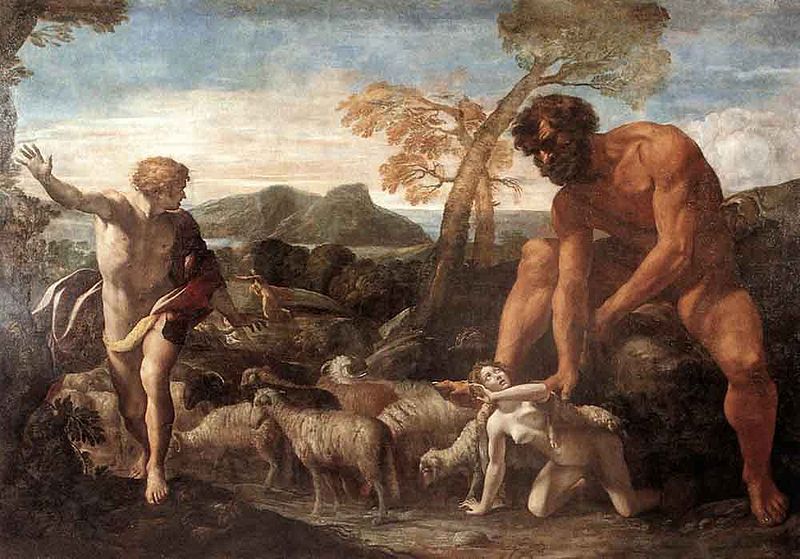
1. The outrageous and terrifying Ogre
The terrifying Ogre came out of Greek mythology, Oegrus being the son of Greek blood shedder god. Oegrus was described as a large, cruel, monstrous and hideous humanoid monster, often depicted in fairy tales and folklore as feeding on human beings. Ogres have made appearances in many classic literary texts, while artists often portray them In with a large heads, abundant hair and beards,  enormous appetites and great strength.  People who exploit, brutalize or cannibalize others are called ogres.

10 Most Terrifying Places on Earth

by ianz09

There are places on this planet that are stranger than the most alien landscapes we have ever imagined. Places that make your skin crawl. Places that induce heavy breathing and paranoia, before anything has even happened. We walk the dark, dusty steps of old castles and houses. We roam the halls of asylums and tunnels, hoping to glimpse something otherworldly. But sometimes, we wish we wouldn’t. Sometimes, our curiosity gets the better of us in the beginning, and is then squashed by a feeling that no human ever wants to be familiar with: absolute terror.
We hear screams in the night, footsteps in the hall. We see shadows flit by, and fog taking the shape of something eerily familiar. We breathe, we pray, and step lightly. We scream, we curse, and we sprint. Some encounters are mysterious, others violent, all terrifying. Why do we insist on investigating places such as these? Mere curiosity only gets us so far, and then we need a driving force embedded much deeper into our psyche in order to power on. Would you spend the night alone in these places?
10
Riddle House

Top 10 Bizarre Larvae

POSTED BY SHELL HARRIS ON MARCH 1, 2011 IN ANIMALS, BIZARRE

Most of you probably know that caterpillars turn into butterflies, and maggots into houseflies; both examples of an animal transforming from a “larval” to “adult” stage. Besides these famous insects, however, are thousands of other species who undergo bizarre and extreme transformations during their life cycle. Larval stages are especially extreme in creatures of the sea, and sea life will be constituting almost all of this list.

10. Tortoise Beetles


Golden Tortise Beetle Larvae by Larah McElroy

15 Historical Facts You Don’t Know

by Jamie Frater

We all love facts – especially historical ones and ones that are new to us. This list looks at 15 facts that are, hopefully, unknown to most of us here. From the Ancient world to the early modern times, these are all entries that have not appeared before on Listverse. Be sure to add your own unusual or little-known facts to the comments.
1
Facts 1 – 5
1. Saint Simeon Stylites (pictured) was a monk who gained fame in the 5th century for spending 37 years standing on a small platform on top of a tall pillar in Syria. He did it for ascetic reasons and his example was followed in later years by other well known stylite saints. His story is quite amazing and you can read more about it here.

Top 10 Contaminants in Our Food Supply

It’s one of the public health’s top ten goals for the 20th century, creating a safer, more toxic-free food supply, but meanwhile virtually all food products are contaminated with various chemicals, bacteria, heavy metals, and residues from pesticides. According to many sources, Americans are exposed to what are called POPs or “Persistent Organic Pollutants” 70 times in one day. Chemicals like DDT and dioxin are moving through the food chain and into the human diet at an alarming rate. Contaminations from industrial waste and manufacturing plants are tainting our food supply, our ecosystem, and our health, here are the most daunting reasons why.

10. Genetically Modified Food


Although still a big question mark, genetically modified foods, introduced almost a decade ago are sprouting up on millions of acres around the world of farmland. In fact, most all of the soybean, corn, and canola crops in the US and abroad are produced using genetically modified seeds. Although a significant amount of studies have not yet been conducted, many are concerned of genetic contamination because these seeds have been engineered to withstand significant application of pesticides, usually made by the same companies that engineer the seeds. Even rice is becoming genetically modified. Certain risks according to experts include introducing allergens and toxins to food, accidental contamination, antibiotic resistance, and changing the nutrient content of crops.
 
Related Posts Plugin for WordPress, Blogger...